The role of Human Resources has fundamentally shifted from administrative support to strategic leadership. In 2026, the global war for talent is fiercer than ever, and Tier-1 corporations are turning to Artificial Intelligence to gain an edge.
For Chief Human Resources Officers (CHROs) in the US and UK, the old methods of hiring and retaining staff are obsolete. The integration of AI into Human Capital Management (HCM) systems is the new standard. This technology is not just automating paperwork; it is predicting human behavior and optimizing workforce potential.
The most immediate impact of AI is visible in Talent Acquisition. Traditional Applicant Tracking Systems (ATS) were limited to simple keyword matching.
Modern AI-driven recruitment platforms go far beyond this. They utilize natural language processing to analyze the context of a candidate’s experience, not just their job titles. These tools can predict a candidate’s cultural fit and long-term success probability with remarkable accuracy.
This efficiency reduces the “time-to-hire” metric significantly. For high-growth tech companies and enterprises, filling a critical role weeks faster translates directly to revenue protection.
Beyond hiring, AI is revolutionizing Employee Retention. High turnover rates are a massive cost drain for any business.
New AI analytics tools monitor employee sentiment in real-time. By analyzing anonymized data from internal communication channels and feedback surveys, these systems can flag “flight risks” months before an employee actually resigns.
This allows HR managers to intervene proactively with retention offers or career development discussions. This predictive capability is a game-changer for maintaining a stable and productive workforce.
Learning and Development (L&D) has also been personalized through AI. The “one-size-fits-all” corporate training video is a thing of the past.
AI-powered Learning Experience Platforms (LXP) now curate personalized skill development paths for every single employee. Based on their current role and future career goals, the AI suggests specific courses and micro-learning modules. This ensures that the workforce is constantly upskilling to meet market demands.
Diversity, Equity, and Inclusion (DEI) initiatives are being strengthened by algorithmic objectivity. Unconscious bias in hiring and promotion is a major legal and reputational risk.
Advanced AI tools are designed to redact personally identifiable information from resumes to ensure blind hiring. They also analyze job descriptions to remove biased language that might discourage diverse candidates from applying. For global corporations, these tools are essential for meeting compliance standards.
Payroll and Global Compliance have also seen massive disruption. With the rise of remote work, companies are hiring talent across multiple borders.
AI-driven payroll platforms now automatically handle the complex tax laws and labor regulations of over 150 countries instantly. They ensure that every contractor and employee is paid correctly and legally, removing the headache of international expansion.
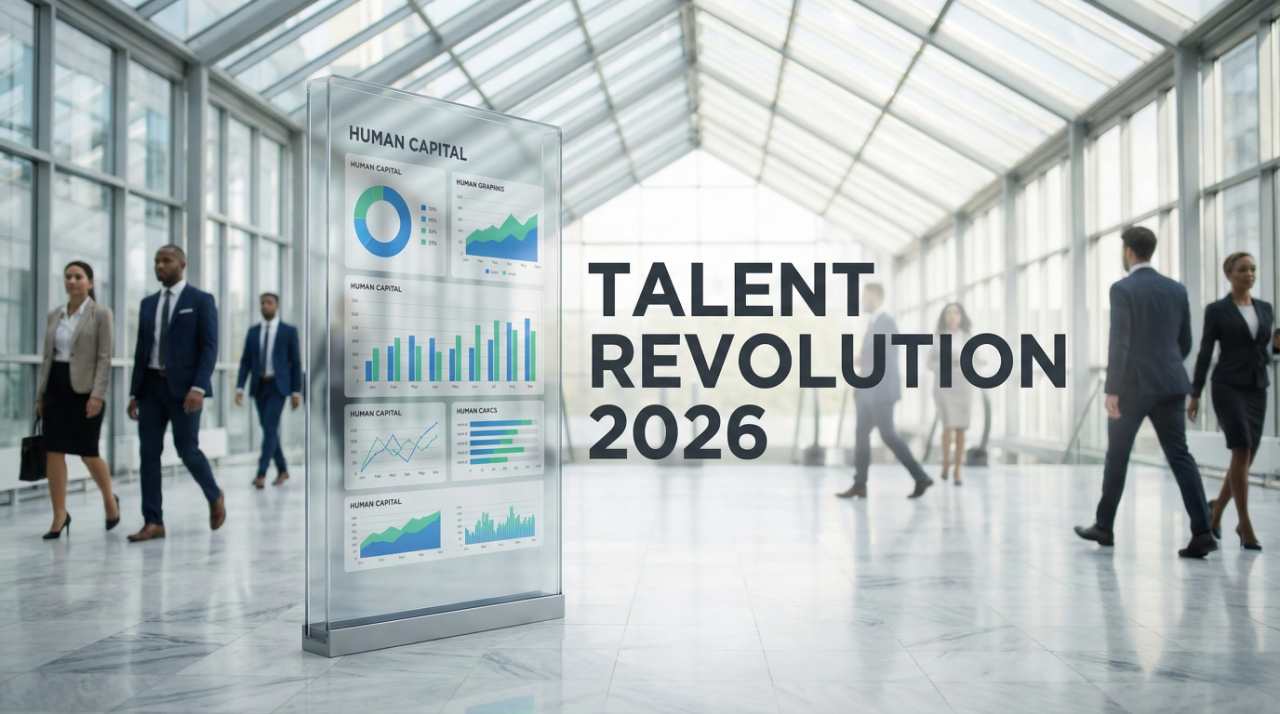
Finally, the concept of “People Analytics” has matured. Executives now demand the same level of data rigor for their workforce as they do for their finances.
AI dashboards provide C-suite leaders with a real-time view of organizational health, productivity trends, and skill gaps. In conclusion, the HR technology stack of 2026 is a critical business asset. Companies that invest in these top-tier AI solutions are building the workforce of the future today.