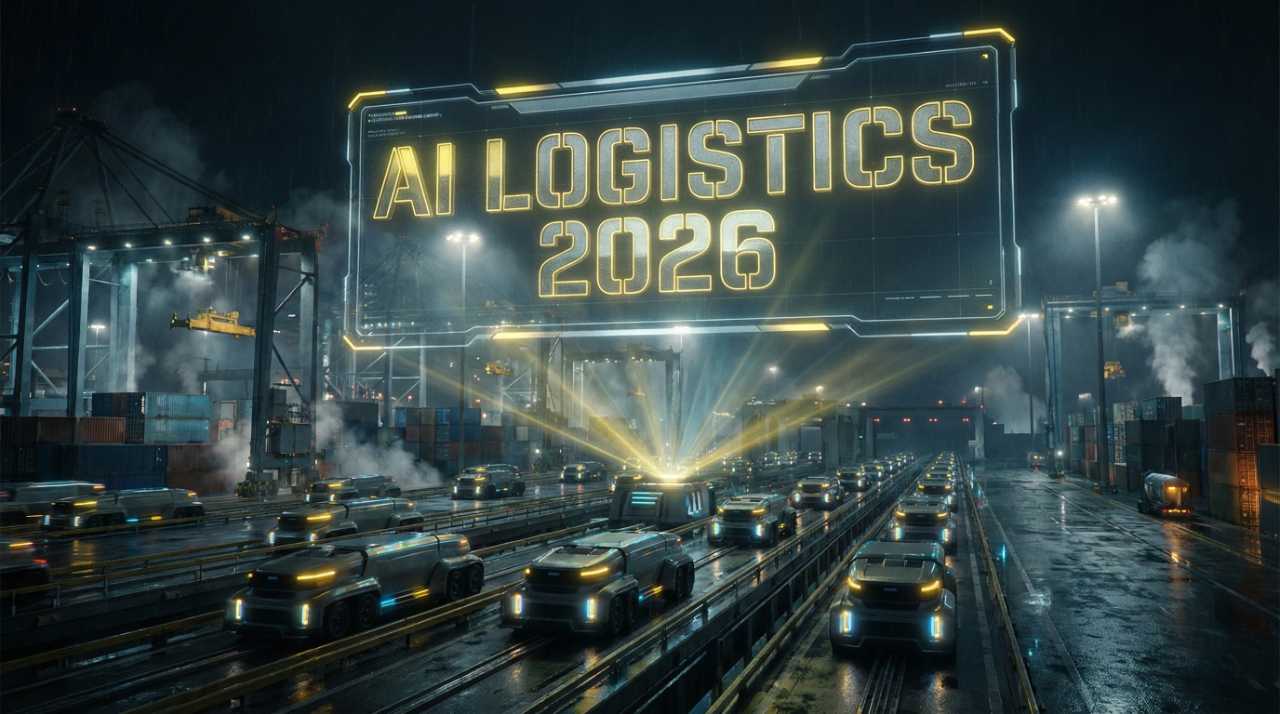
The global supply chain is the backbone of the modern economy, and in 2026, it has become the primary battleground for competitive advantage. For operations directors and logistics executives in North America and Europe, the era of linear supply chains is over. It has been replaced by dynamic, AI-driven supply networks that adapt in real-time to disruption. The integration of high-end B2B SaaS solutions in this sector is no longer optional. With the rising costs of fuel and the increasing complexity of international trade routes, investing in AI-powered logistics tools is the only way to ensure margin protection and delivery speed.
The most transformative application of AI this year is in Predictive Supply Chain Planning. Legacy systems looked at past sales to guess future demand, but 2026’s leading tools look forward. Platforms like Blue Yonder and SAP Integrated Business Planning now use advanced machine learning to ingest signals from weather patterns, geopolitical news, and social media trends.
This allows companies to predict supply shortages weeks before they happen. By simulating various “what-if” scenarios, these tools enable executives to pivot sourcing strategies instantly. The result is a dramatic reduction in stockouts and overstock situations, directly improving the balance sheet. This level of predictive intelligence is attracting significant investment from major retailers and manufacturers.
Warehouse Automation has also reached a new level of sophistication. The “Dark Warehouse”—fully automated facilities with minimal human presence—is becoming a reality for Tier-1 enterprises. AI-driven Warehouse Management Systems (WMS) now orchestrate fleets of autonomous mobile robots (AMRs) with swarm intelligence.
These systems optimize picking routes in real-time, ensuring that the fastest-moving goods are always in the most accessible locations. For B2B distributors, this means order fulfillment times are cut from hours to minutes. The software powering these robots is highly complex and commands premium licensing fees, reflecting its value in the logistics ecosystem.
In the realm of transportation, AI-powered Fleet Management is redefining efficiency. For logistics companies managing thousands of trucks, every mile counts. The latest SaaS platforms utilize telematics and AI to optimize routes dynamically based on traffic conditions, fuel prices, and delivery windows.
Beyond just routing, these tools perform predictive maintenance. By analyzing engine data, the AI predicts component failures before a breakdown occurs on the highway. This preventative approach keeps fleets on the road and reduces costly emergency repairs. Advertisers in the insurance and automotive sectors pay a premium to reach decision-makers using these technologies.
Sustainability is another critical driver for AI adoption in 2026. With strict carbon reporting mandates in the EU and growing pressure in the US, Green Logistics has become a board-level priority. Advanced AI tools now track the carbon footprint of every single shipment across the entire supply chain.
These platforms suggest greener routes or alternative transport modes to meet corporate sustainability goals without sacrificing speed. This capability is essential for multinational corporations that must publish audited ESG reports. The intersection of compliance and logistics is a high-value niche for software providers.
Finally, Supplier Risk Management has been revolutionized by AI. In a volatile global market, knowing the financial health of your suppliers is crucial. New AI platforms continuously monitor the stability of thousands of vendors by analyzing news, financial reports, and market signals.
If a key supplier shows signs of distress, the system alerts procurement teams immediately, allowing them to activate backup vendors. In conclusion, the supply chain of 2026 is an intelligent, self-healing organism. For business leaders, the adoption of these AI logistics tools is the key to building a resilient enterprise capable of thriving in an unpredictable world.